Linda Gray
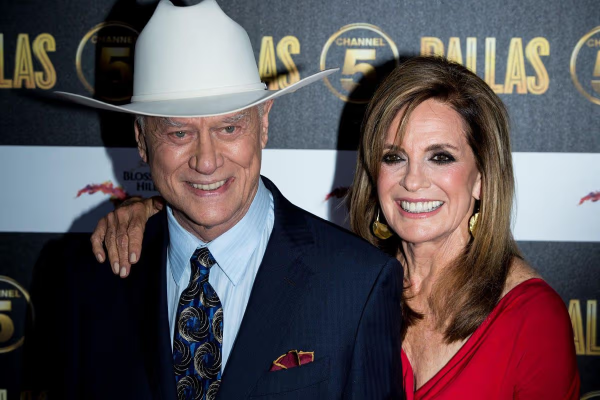
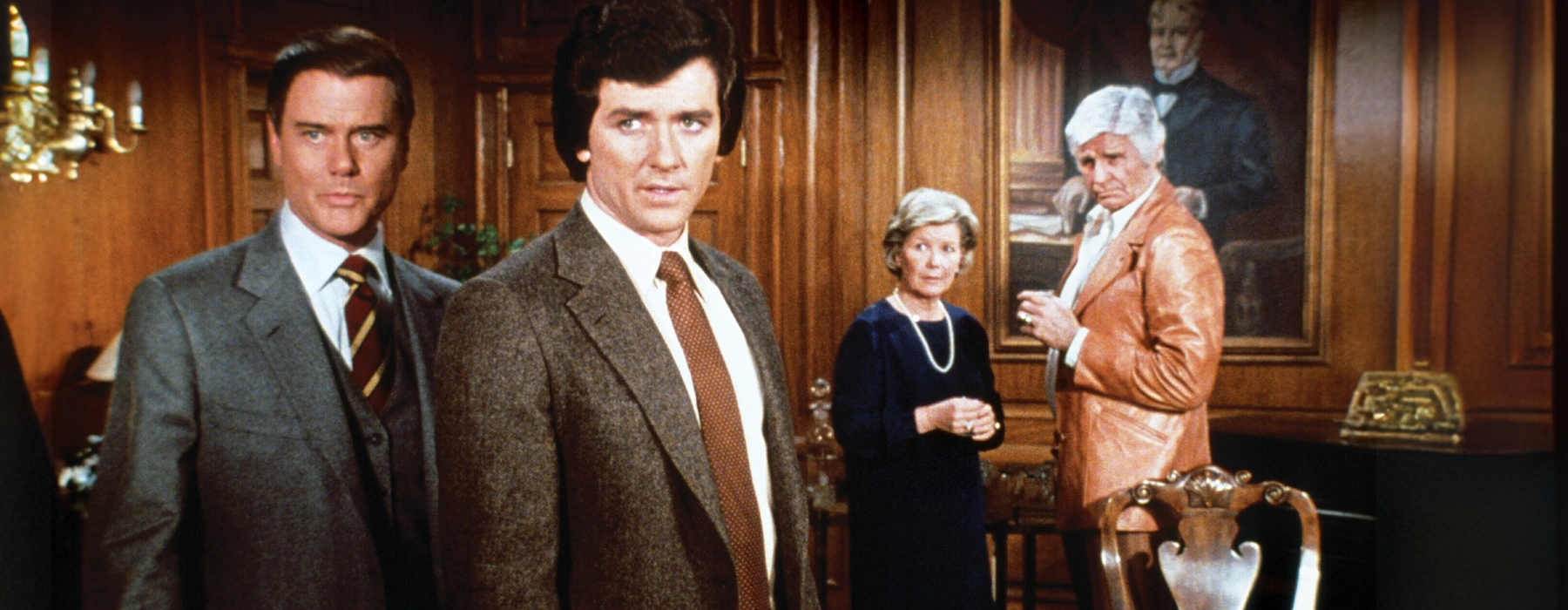
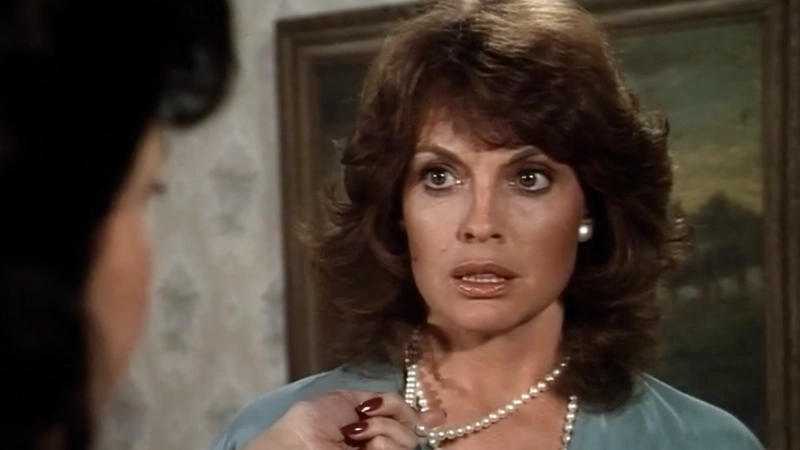
Linda Gray is internationally recognised as Sue Ellen Ewing, the glamorous, bruised, ferociously resilient heartbeat of Dallas. Across the original run and later returns, she turned a “trophy wife” outline into a fully lived character: funny, angry, romantic, ruthless when cornered — and unforgettable when the camera stayed close.
Sue Ellen’s story is a survival story: love, addiction, power, and the cost of living inside the Ewing machine. — Dallas TV Show Fan Site
Early life: California beginnings and a performer’s instincts
Born in Santa Monica, Linda Gray came of age in Southern California at a moment when Hollywood imagery saturated everyday life — storefront posters, magazine covers, studio-lot mythology. She didn’t enter acting as a finished product; she built it. Her early years were defined by observation and discipline: learning how people move, how they avoid truth, how they protect it, and how a smile can be armour.
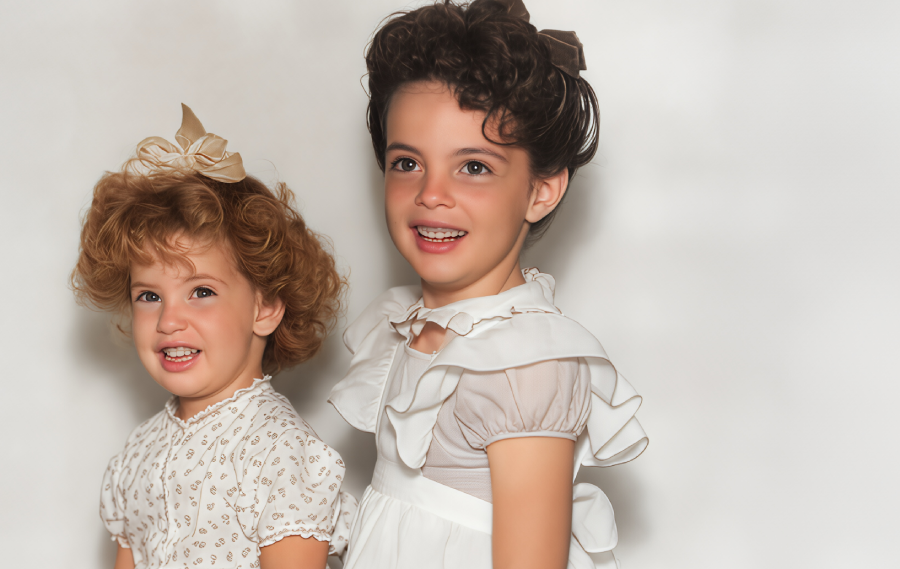
Those instincts eventually became her trademark on Dallas. Sue Ellen’s most devastating moments often arrive quietly: a pause before a lie, a breath before a collapse, a look that communicates what the script can’t quite say. Gray’s gift is emotional specificity — the sense that the character has a private history even when the plot is racing.
Modelling years: camera confidence before primetime
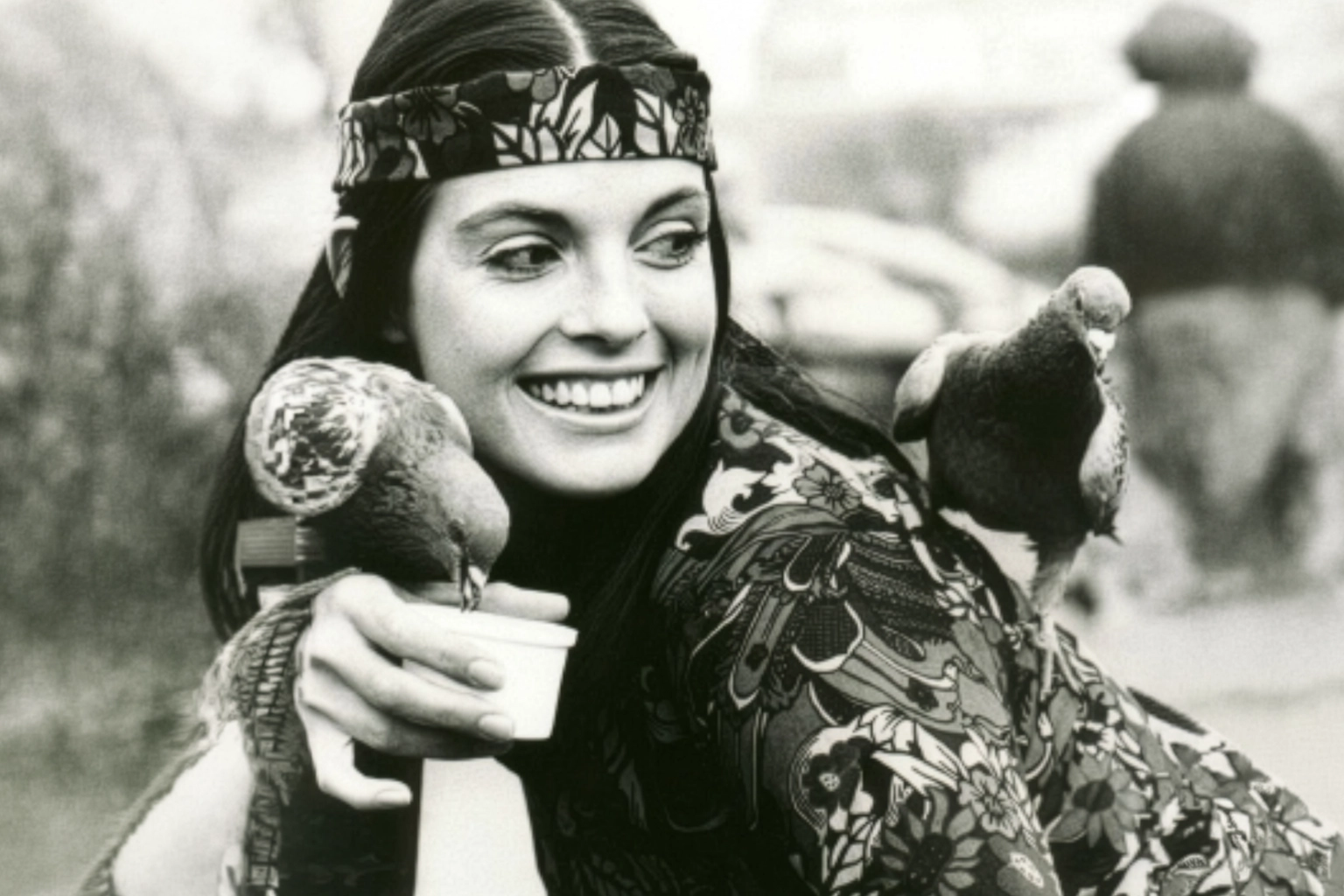
Before Sue Ellen made her a worldwide name, Gray worked extensively as a model — the training ground for posture, timing, and the kind of self-possession that reads instantly on screen. Modelling is performance at high speed: hit the mark, find the light, and sell a story with a single gesture. That apprenticeship shows in her Dallas work, especially in scenes where Sue Ellen must project perfection while everything underneath is cracking.
Those years also placed her inside the machinery of image-making — a theme that becomes central to Sue Ellen. The Ewings don’t just live; they perform: for the press, for business rivals, for each other. Sue Ellen’s tragedy is that she’s often expected to be the most beautiful object in the room, even when she’s the most human.
Early screen work: from small roles to visible momentum
Gray’s early on-screen work built gradually through television and film appearances, commercials, and guest roles. It was a classic working-actor climb: learning sets, learning crews, learning how to stay present when a scene is shot out of order, and how to land a moment in one take when time runs out.
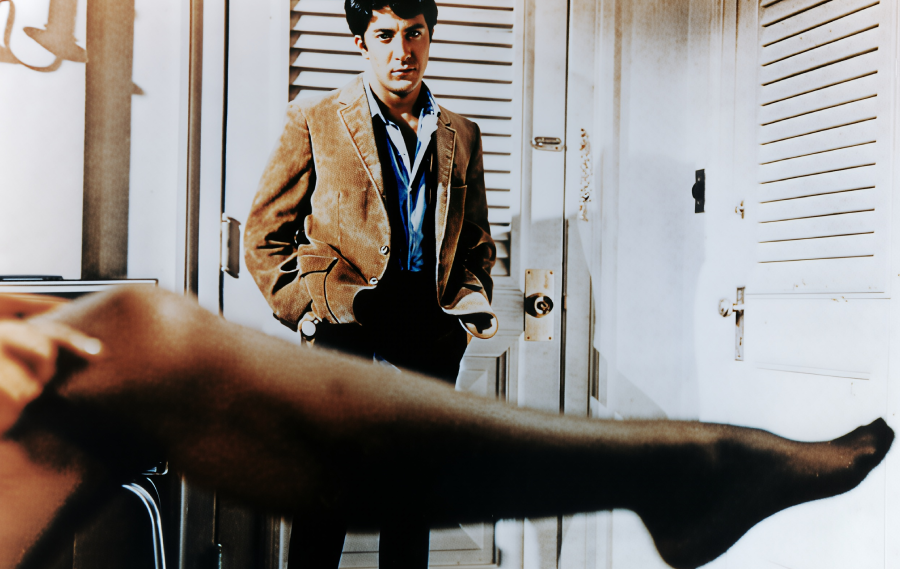
A well-known Hollywood footnote often linked to Gray is her association with The Graduate imagery — a reminder that long before Dallas, she was already part of the visual language of an era. For Gray, however, the meaningful work is the work that lasts: character, voice, and the ability to steer a story over years.
All That Glitters (1977): a groundbreaking trans role
In 1977, Gray joined Norman Lear’s satirical soap All That Glitters as fashion model Linda Murkland, a transgender series regular at a time when trans lives were rarely portrayed on American television — and almost never with a continuing presence. Contemporary coverage sometimes used period terms such as “transsexual” or “transvestite”; today, the role is most accurately described as a transgender woman character.
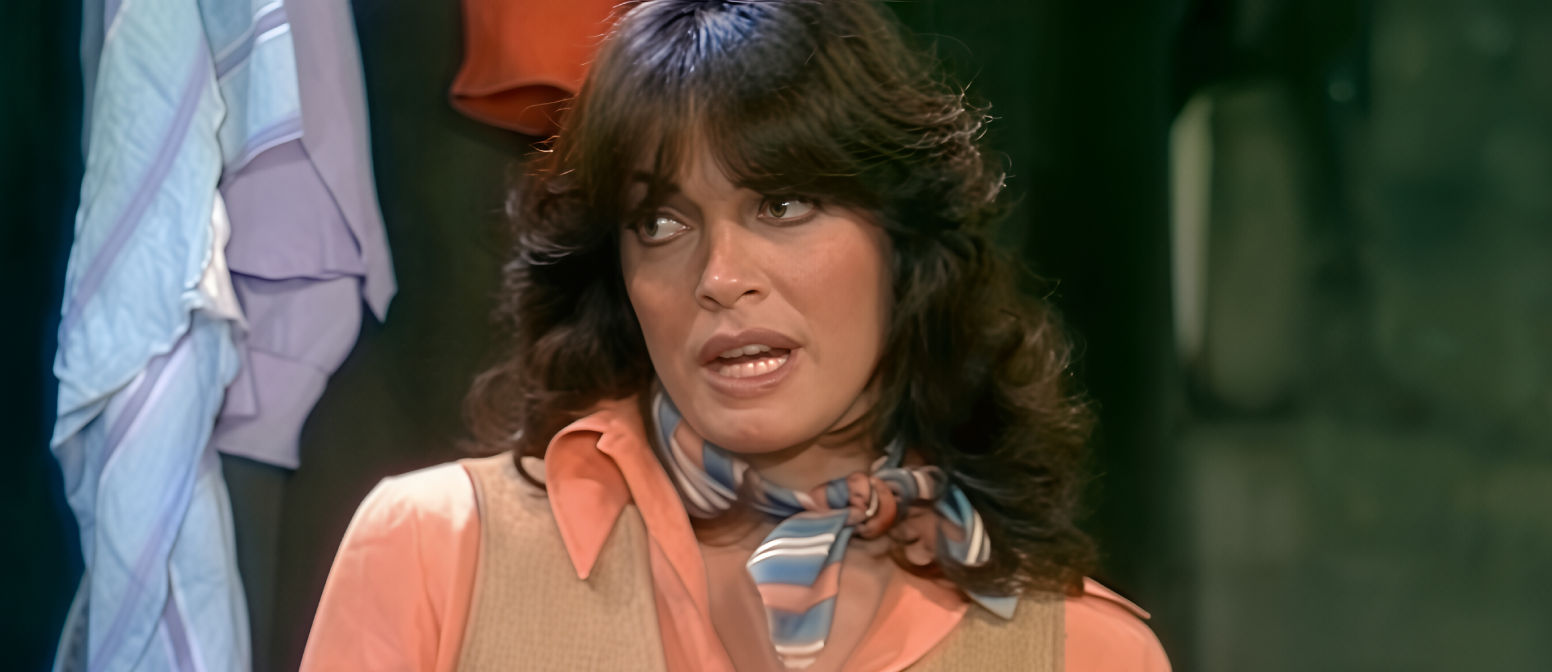
Gray later spoke openly about how unusual — and how serious — the responsibility felt, and about meeting a transgender woman as part of her preparation. Whatever the show’s short run, the casting remains a notable television milestone: a mainstream performer stepping into a role that asked audiences to confront identity and empathy in an era not known for either.
Dallas & Sue Ellen Ewing: glamour, grief, and power
Sue Ellen begins Dallas as J.R. Ewing’s elegant wife — a former beauty queen locked inside a marriage that treats affection like currency. In less careful hands, the role could have stayed decorative. Gray refused that fate. She made Sue Ellen unpredictable: wounded but watchful, addicted but not foolish, and capable of turning humiliation into strategy.
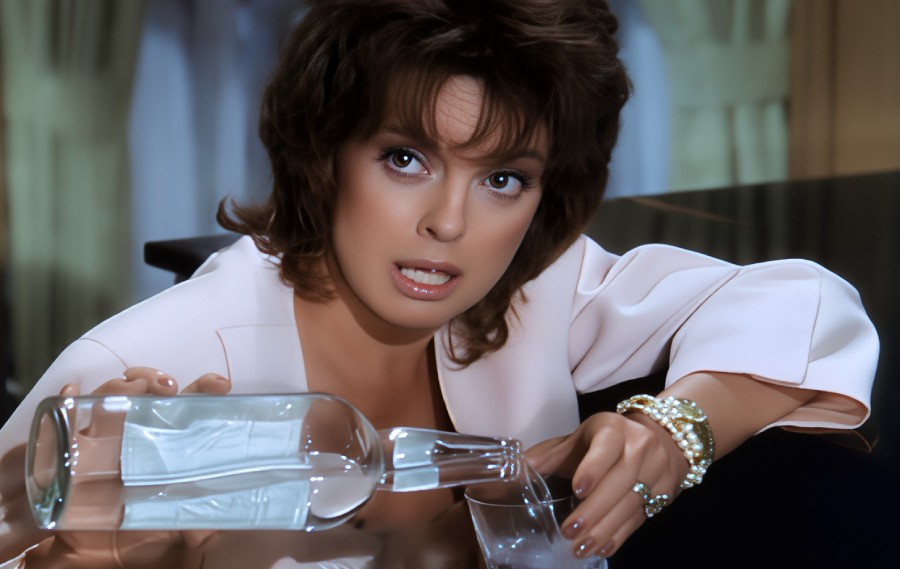
Her most famous arc — Sue Ellen’s alcoholism — works because Gray plays it as a process, not a label. The drinking isn’t a plot device; it’s a symptom of isolation, manipulation, and shame. When Dallas lets Sue Ellen rise, it’s equally earned: Gray builds the character’s comeback from small choices, until Sue Ellen becomes one of the show’s most formidable players.
What makes Sue Ellen iconic is her tonal range. She can be heartbreaking in one scene and razor-funny in the next, then pivot into a cold, lucid intelligence when she decides she will not be owned. That range helped Dallas avoid becoming a single-hero show; Sue Ellen stands as the series’ most complex survivor.
Awards recognition: when the industry caught up
Gray’s portrayal of Sue Ellen earned major awards recognition, including a Primetime Emmy nomination for Outstanding Lead Actress in a Drama Series and Golden Globe nominations for Best Actress in a Television Series – Drama. Those nominations reflect what audiences already understood: Sue Ellen wasn’t a supporting ornament — she was a lead character with a lead performance.
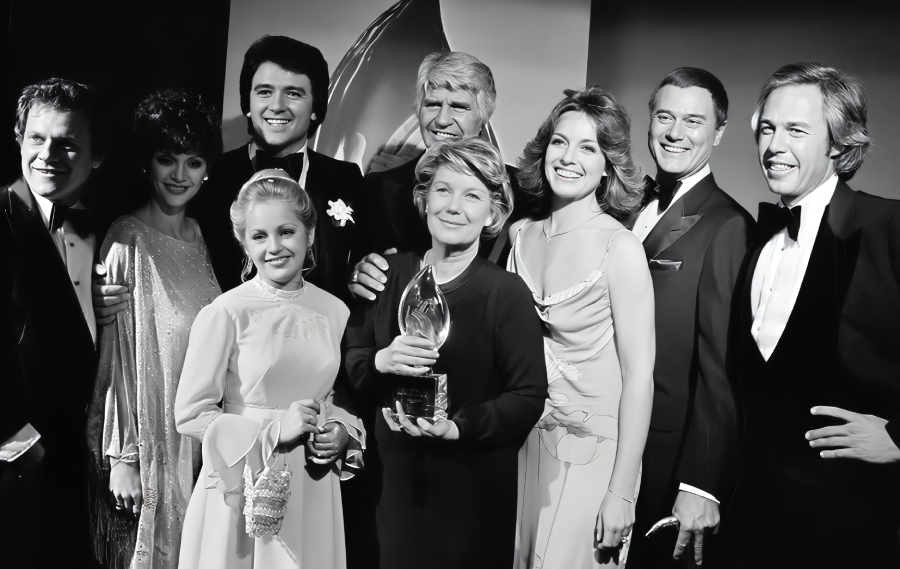
The durability of the role is its own award. Sue Ellen remains a reference point for later television anti-heroes and complicated heroines — characters who can be victim and architect in the same episode, sometimes in the same sentence.
Later career: stage work, returns, and reinvention
After the original Dallas run, Gray continued building a career that wasn’t limited to nostalgia. She worked in television and film, and she also returned to the stage — a space that demands a different kind of truth, performed live and without a safety net. Her stage choices underline a key point about her screen work: the intelligence is not accidental; it comes from craft.
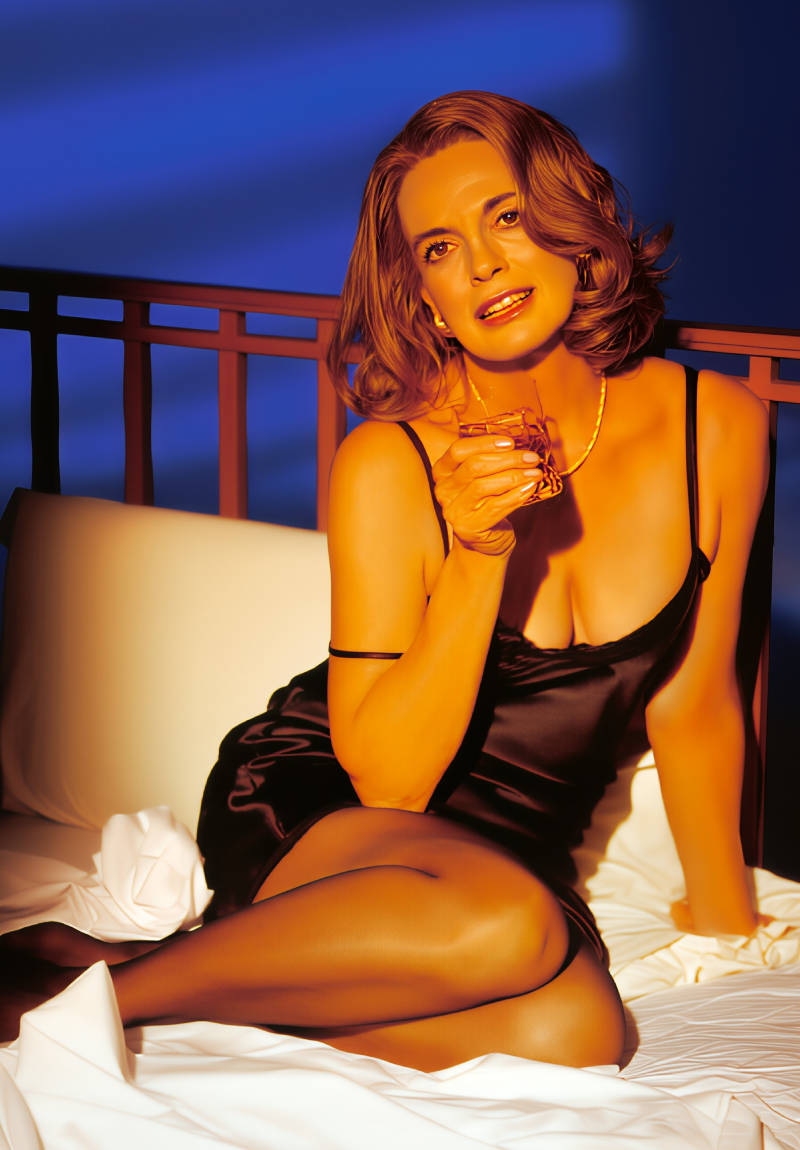
When Dallas returned in later years, Gray’s Sue Ellen arrived with history intact — older, sharper, and less willing to be dismissed. It is one of the pleasures of long-running storytelling: watching an actor carry a character forward without flattening her into a symbol. Gray keeps Sue Ellen specific, even when the mythology gets big.
Family life: marriage, children, and loss
Gray was married to art director and photographer Ed Thrasher from 1962 to 1983. They had two children, Jeff Thrasher and Kehly Sloane.
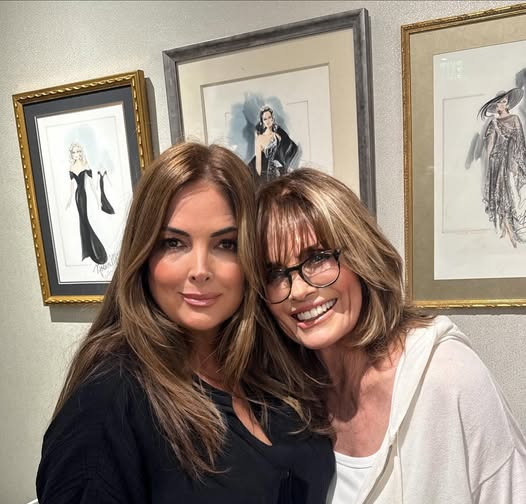
In November 2020, Gray’s son Jeff died after a battle with leukemia. The loss marked a painful chapter in a life that, to audiences, can look like uninterrupted glamour — a reminder that public fame and private grief often coexist.
Legacy: why Sue Ellen endures
Sue Ellen endures because Gray built her from contradictions. She can be sincere and strategic, loyal and exhausted, romantic and ruthless. She is not defined by what J.R. does to her; she is defined by what she refuses to let him take. Over time, Sue Ellen becomes one of Dallas’ great power players — not by copying J.R., but by learning how the world works and choosing which parts of it she will accept.
Gray’s earlier work, including her 1977 transgender role on All That Glitters, also contributes to her legacy: a willingness to step into complex material, to treat characters as people rather than punchlines, and to trust audiences with something braver than a stereotype.
Selected roles timeline
| Years | Title | Role | Notes |
|---|---|---|---|
| 1977 | All That Glitters | Linda Murkland | Transgender fashion model; an early U.S. television milestone role. |
| 1978–1989 | Dallas | Sue Ellen Ewing | Original run, from pilot to later seasons. |
| 1991 | Dallas (special/return appearances) | Sue Ellen Ewing | Return appearances as the Dallas story continued beyond the original finale. |
| 2012–2014 | Dallas (continuation) | Sue Ellen Ewing | Modern continuation era. |
| Various | Stage work | Theatre roles | Ongoing stage work alongside screen roles. |
Linda Gray FAQ
Who did Linda Gray play on Dallas?
Linda Gray played Sue Ellen Ewing, the wife (and frequent rival) of J.R. Ewing and one of the series’ defining leads.
When was Linda Gray born?
She was born on 12 September 1940 in Santa Monica, California.
Did Linda Gray receive awards nominations for Dallas?
Yes. Her work as Sue Ellen earned major awards recognition, including an Emmy nomination and Golden Globe nominations.
What was Linda Gray’s transgender / “transvestite” role?
In 1977, she played fashion model Linda Murkland on All That Glitters. The character is best described today as a transgender woman; period coverage sometimes used older terminology.
Where can Dallas episodes be browsed on this site?
The episode hub is /episodes/.
Where can Dallas interviews be found?
The interviews archive is at /interviews/.