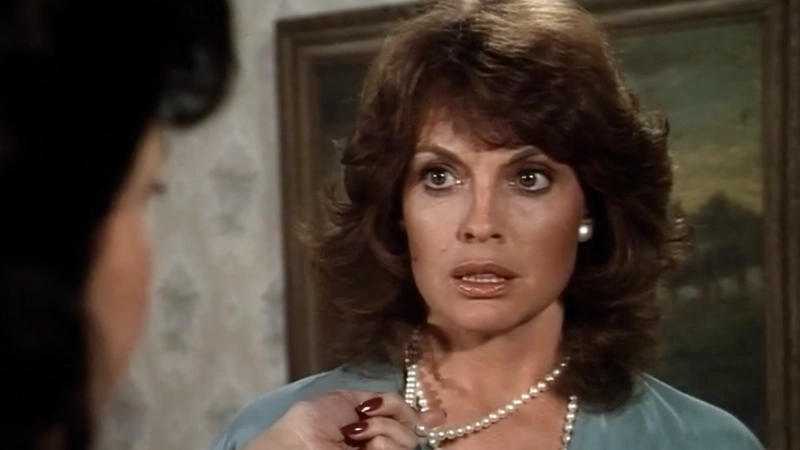
Larry Hagman
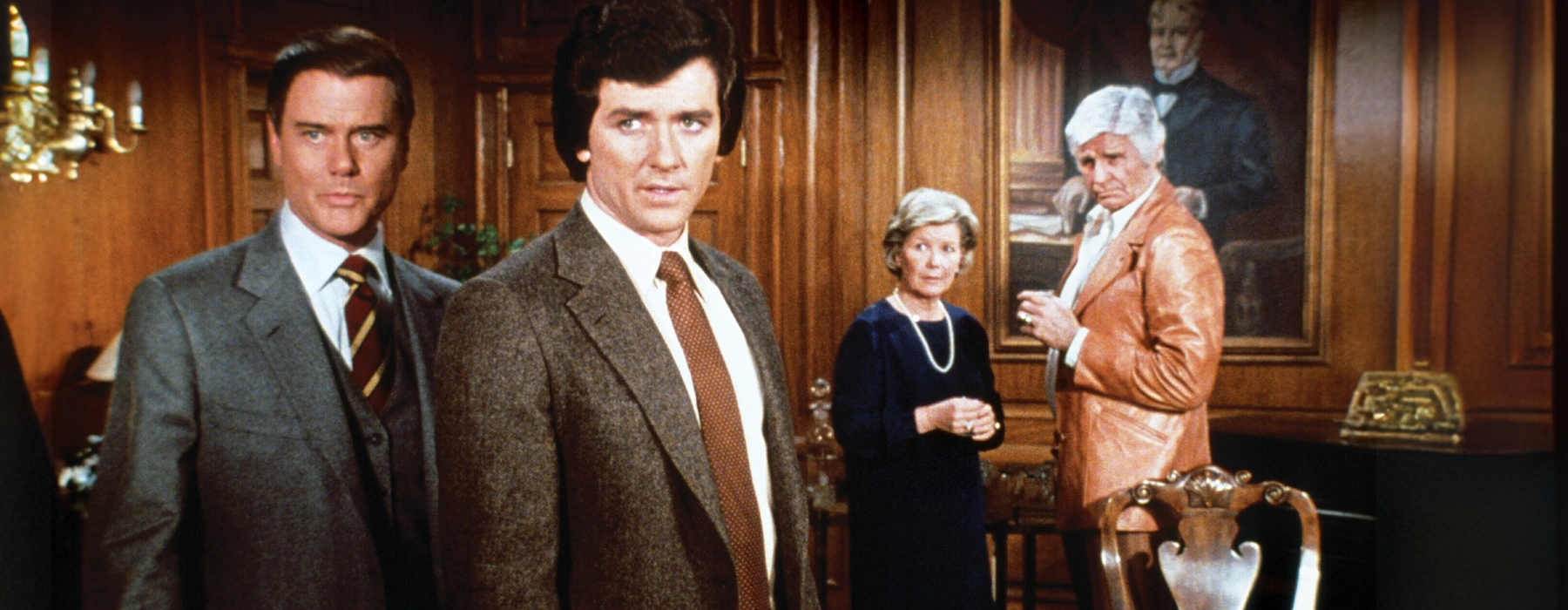
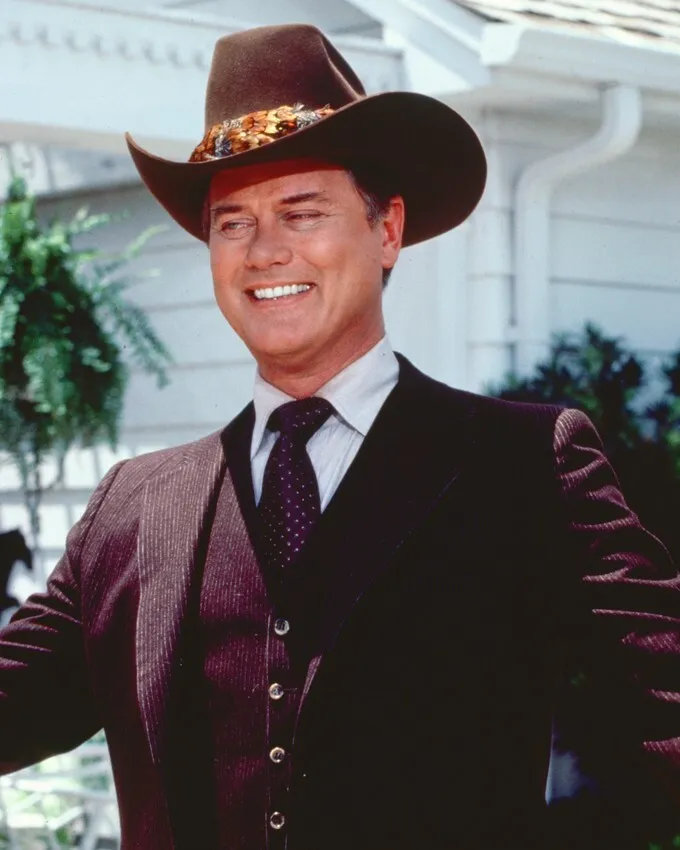
The actor who turned J.R. Ewing into television’s most watchable villain — and, just as memorably, played the charming astronaut of I Dream of Jeannie. This page traces Hagman’s life from his early years as Mary Martin’s son to the decades-long Dallas phenomenon.

“Once you get rid of integrity the rest is a piece of cake.” — Larry Hagman (DallasTVShow.com interview)
“Know your lines, hang up your clothes and be reasonably sober.” — advice Larry credited to his mother, Mary Martin (DallasTVShow.com interview)
Early life: Mary Martin’s son, Texas roots, and the road to acting
Larry Martin Hagman was born in Fort Worth, Texas, and spent parts of his childhood moving between Texas and the coasts as his mother Mary Martin rose to stardom. After his parents divorced when he was young, he lived for long stretches with family while Mary’s career pulled her toward major stages and studios.
Even with show business in the bloodstream, Hagman didn’t arrive at acting in a straight line. He was drawn to performance, but he also developed a tough, practical streak — the kind that later let him thrive inside the pressure-cooker pace of television.
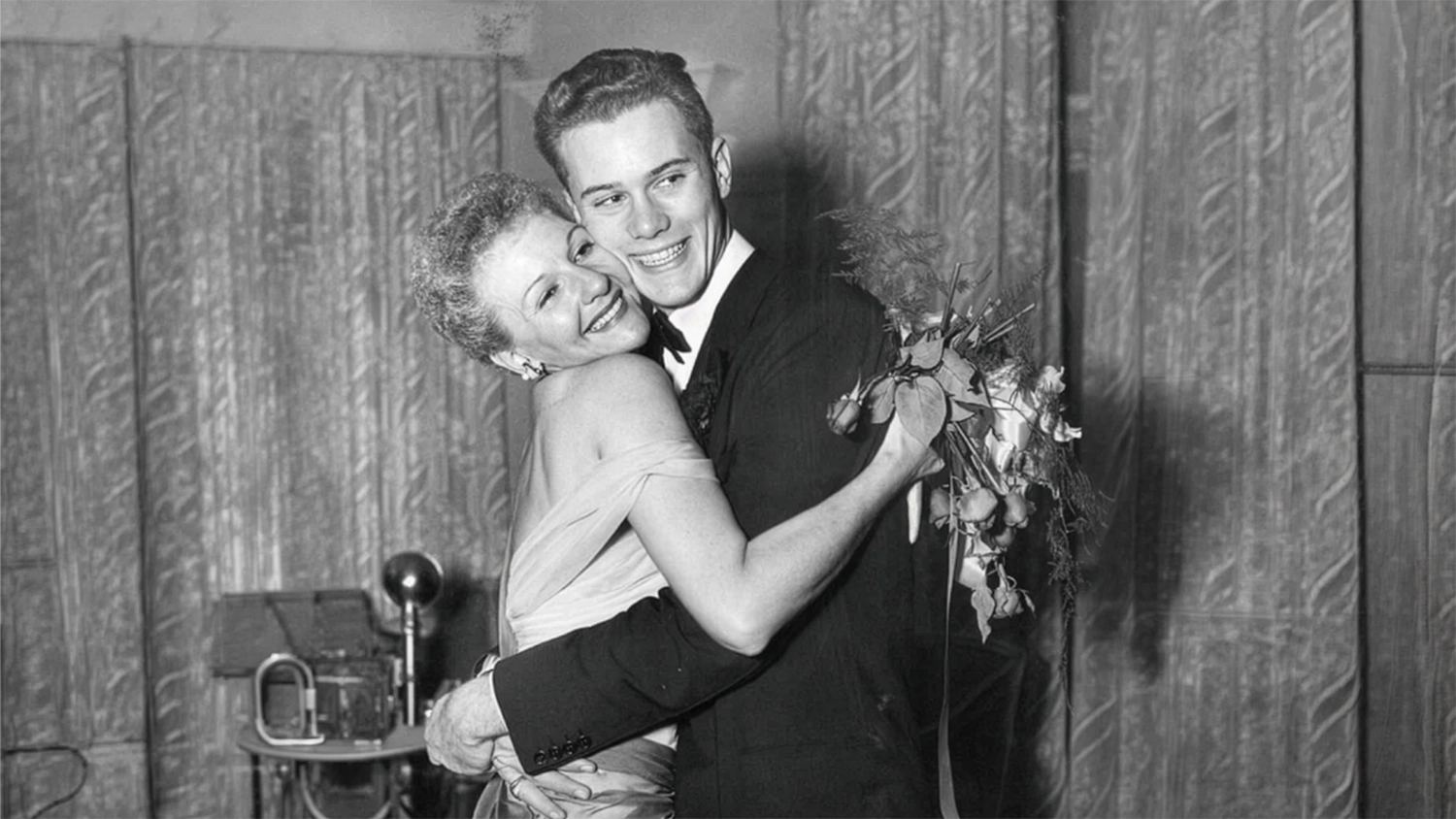
In the early 1950s, Hagman also served in the United States Air Force. It’s a chapter that often gets missed in short biographies, but it mattered: it placed him in structured environments, taught him stamina, and sharpened the self-reliance that later became part of his public persona.
One of the most striking early connections between his family life and his career came when he appeared in the London production of South Pacific alongside his mother — a rare overlap of their professional worlds, and a reminder that his “nepo” origin story still required serious work to turn into a lasting acting life.
Stage & early career: learning the craft before the fame
Before he was a household name, Hagman built a foundation in theatre and early television, including live TV — the kind of work that rewards precision, speed, and nerves. Those disciplines later show up in his best performances: the timing, the confidence, and the ability to throw away a line like it’s nothing, while making it land like a punch.
In the DallasTVShow.com interview archive, Hagman credited his mother with simple, unglamorous principles — line learning, professionalism, and staying steady enough to do the job. It’s a very “working actor” answer, and it fits: long-running television is less about occasional brilliance and more about delivering, week after week, without cracking.
I Dream of Jeannie: charm, comedy, and a different kind of stardom
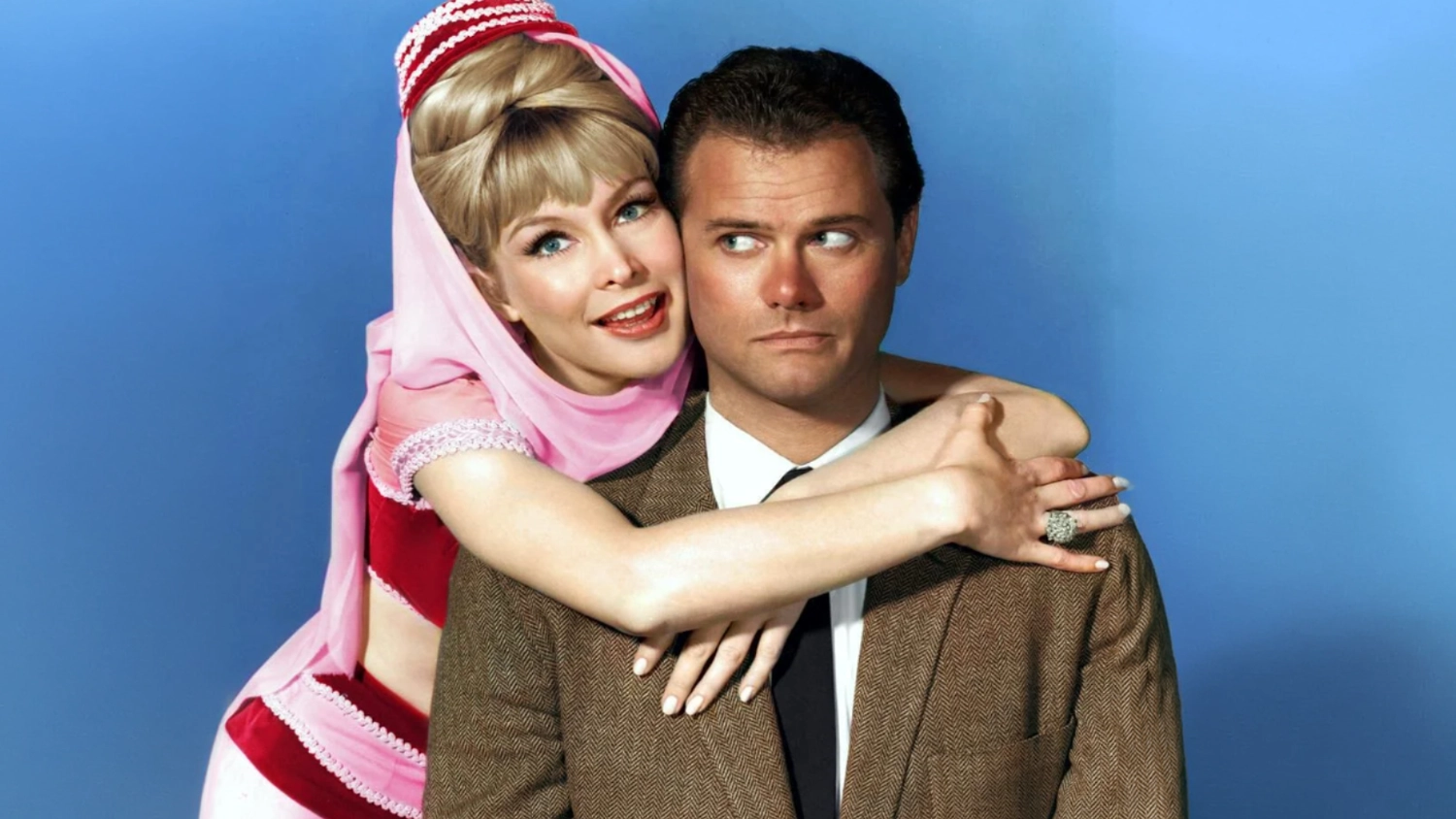
Long before Dallas, Hagman became a TV favourite as Major Anthony Nelson in I Dream of Jeannie. The role demanded warmth, pacing, and a lighter touch — and it showcased something that later viewers sometimes forget: Hagman was a natural comic actor.
The Jeannie years built his mainstream recognition, but they also shaped how he understood TV audiences. Comedy teaches an actor to listen, to react, and to play the moment honestly — and those skills are a big part of what makes J.R. so entertaining even at his worst.
Dallas & J.R. Ewing: creating television’s most watchable villain
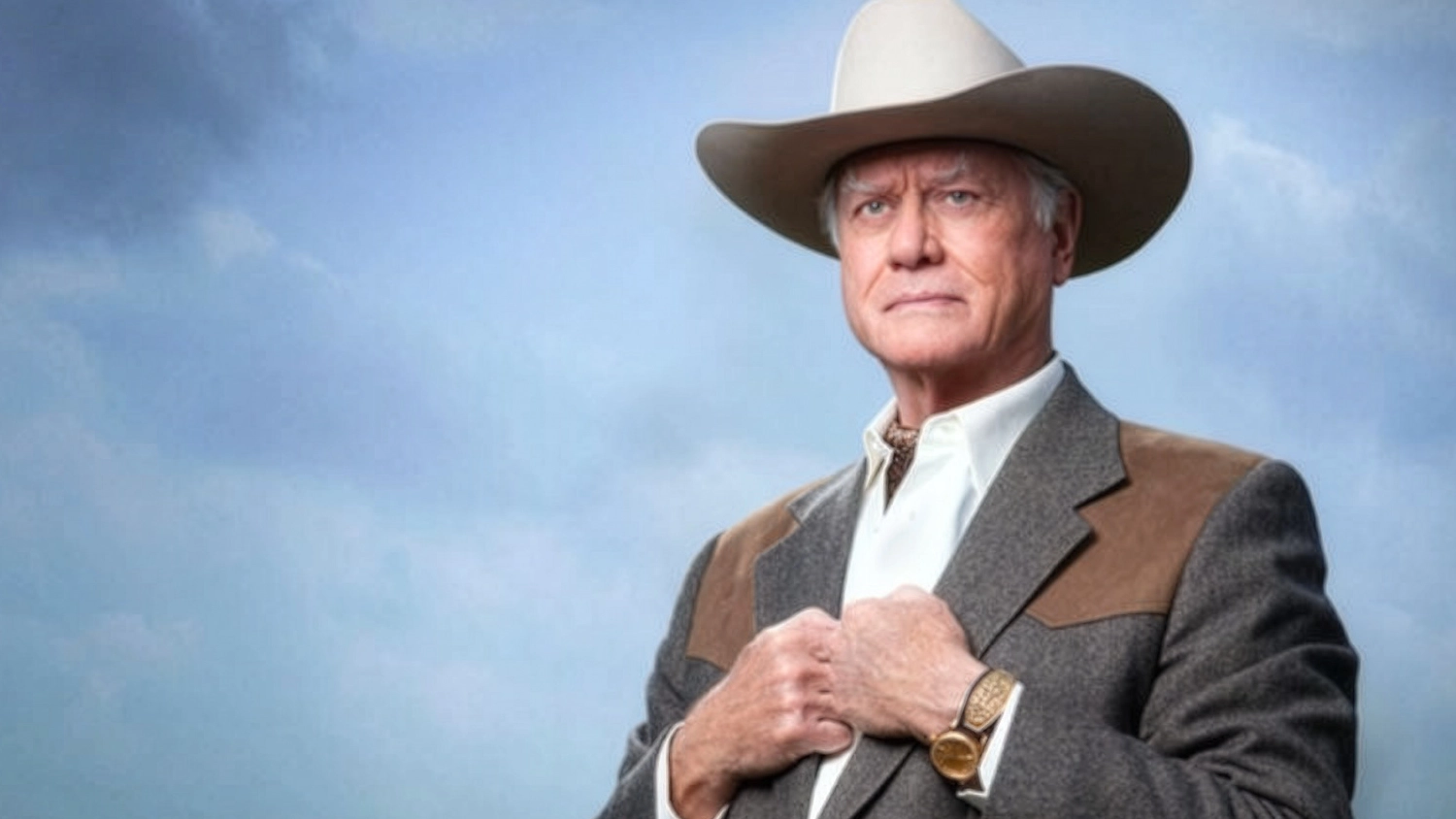
Dallas didn’t just give Hagman a great role; it gave him a character that could carry an entire genre. J.R. Ewing is ruthless, funny, charming, venomous, occasionally wounded, and always ambitious — a villain who never becomes one-note because Hagman keeps turning him, scene by scene.
In the DallasTVShow.com interview archive, Hagman described producer Leonard Katzman as a key figure in the evolution of J.R. The role began as more secondary than it became, and the show’s creative centre of gravity shifted toward the character as audiences responded. That kind of pivot only works when an actor makes the writers want to write more — and Hagman did that.
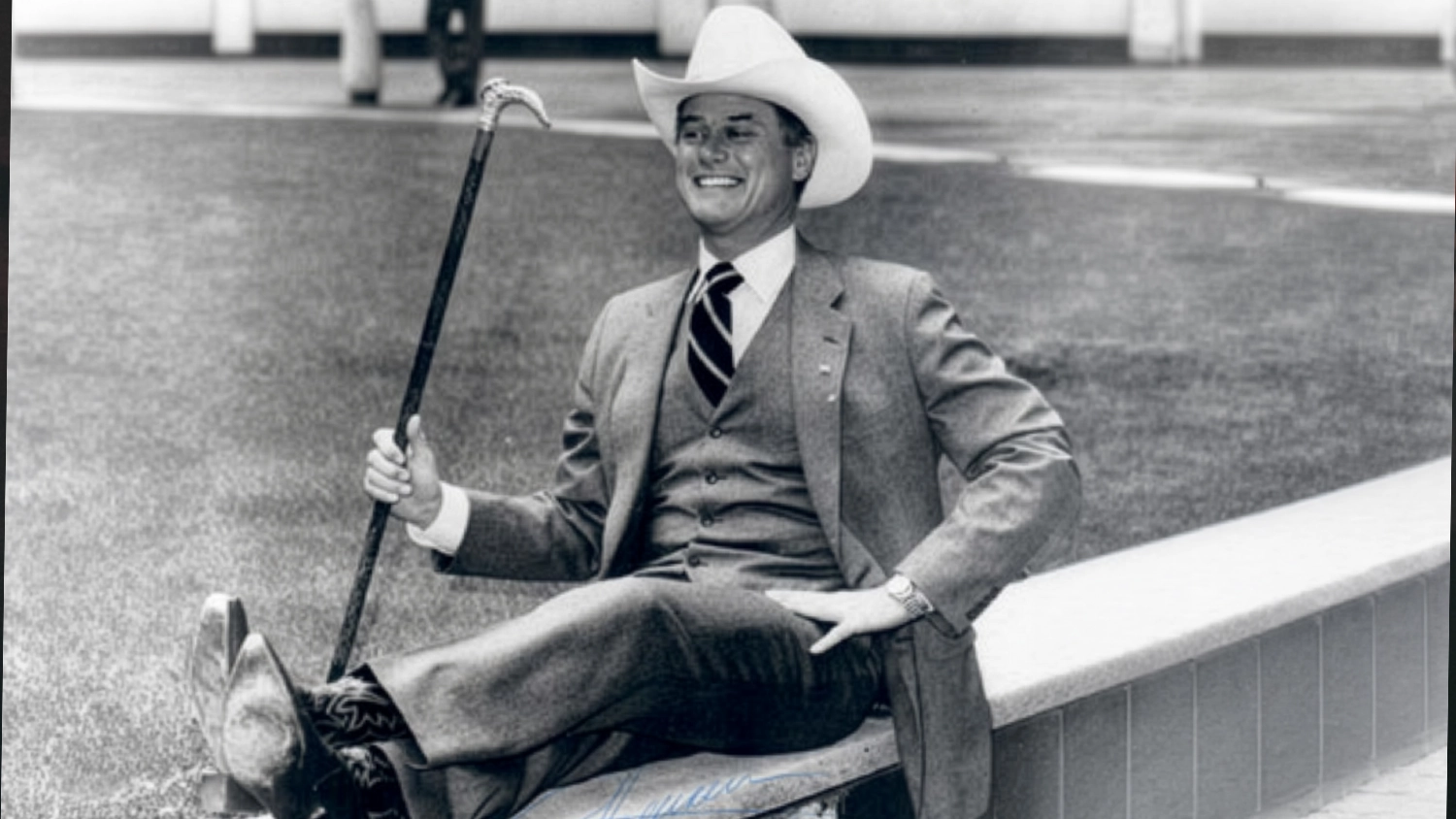
The early 1980s turned Dallas into a global event. “Who shot J.R.?” became pop culture shorthand for cliffhanger television, and J.R.’s survival (and return to scheming) locked the character into history. The story worked because Hagman played J.R. like a man who never doubts his right to win — and because, even when J.R. is monstrous, Hagman keeps the performance alive with humour.
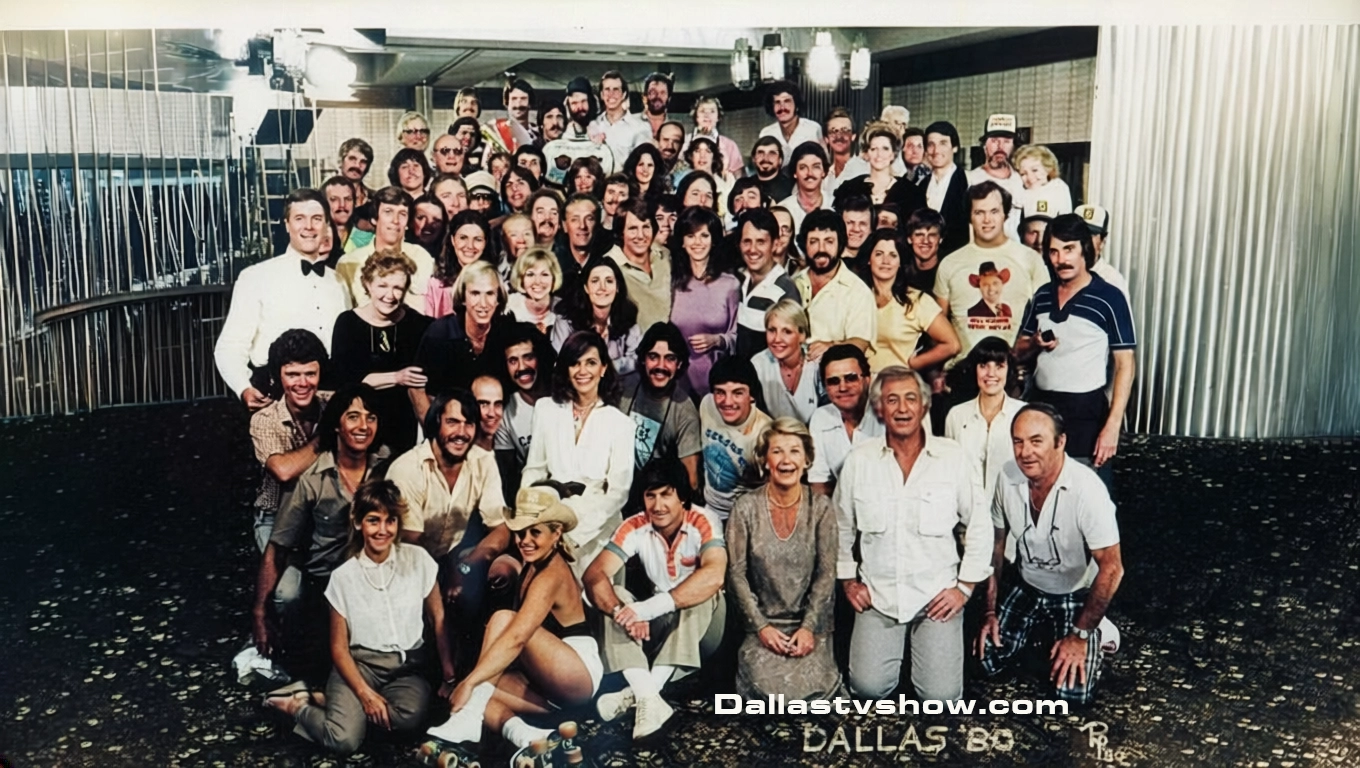
Hagman was also central to the show’s endurance. Dallas ran for 14 seasons, and J.R. remained the gravitational pull: the figure people discussed, argued about, and tuned in to see. When the TNT continuation arrived decades later, Hagman’s presence instantly anchored the revival in the original show’s tone.
25 essential J.R. moments to watch
These are starter picks that capture J.R.’s range — the charm, the cruelty, the comedy, the cold business instincts, and the occasional flashes of vulnerability. For episode-by-episode summaries, visit /episodes/.
- The “Who shot J.R.?” cliffhanger: the moment Dallas became a worldwide obsession.
- The reveal episode: the payoff that proved prime-time soaps could deliver event television.
- J.R. consolidates power at Ewing Oil: boardroom warfare at its sharpest.
- J.R. and Sue Ellen’s marriage hits another breaking point — and somehow survives again.
- J.R. vs Cliff Barnes: one of the show’s most enduring rivalries reaches a new peak.
- A classic J.R. double-cross where the smile is the warning.
- J.R. weaponises a family secret — and pays a personal price.
- Southfork politics: J.R. fights for control of the family “kingdom.”
- A J.R. scheme that backfires fast — and forces him to improvise.
- The episode that best shows Hagman’s comic timing inside high melodrama.
- J.R. makes a deal with someone he shouldn’t trust — and does it anyway.
- A Sue Ellen comeback episode: survival, dignity, and a hard-earned win.
- J.R. turns charm into a weapon — flirting as strategy.
- An Ewing Oil crisis that puts the entire empire at risk.
- A family funeral episode where old grudges refuse to stay buried.
- J.R. faces public humiliation — and plots the next move in the same breath.
- A courtroom-style clash where J.R.’s confidence becomes theatre.
- J.R. meets a new opponent who doesn’t blink.
- A season finale where J.R. seems cornered — and then flips the board.
- A mid-series episode where Hagman gives J.R. a surprisingly human edge.
- J.R. and Bobby in conflict: the family battle that defines the show’s moral centre.
- One of the best “J.R. monologue” scenes — persuasion as performance.
- J.R. loses something important — and shows exactly how he handles grief.
- The TNT-era return: classic J.R. energy in a modern Dallas world.
- The farewell arc: the show’s emotional goodbye to its signature character.
For more J.R. perspective in his own words, see the interview archive: Larry Hagman (Interview 1) and Larry Hagman (Interview 2).
Wife & children: Maj Axelsson, Heidi, and Preston
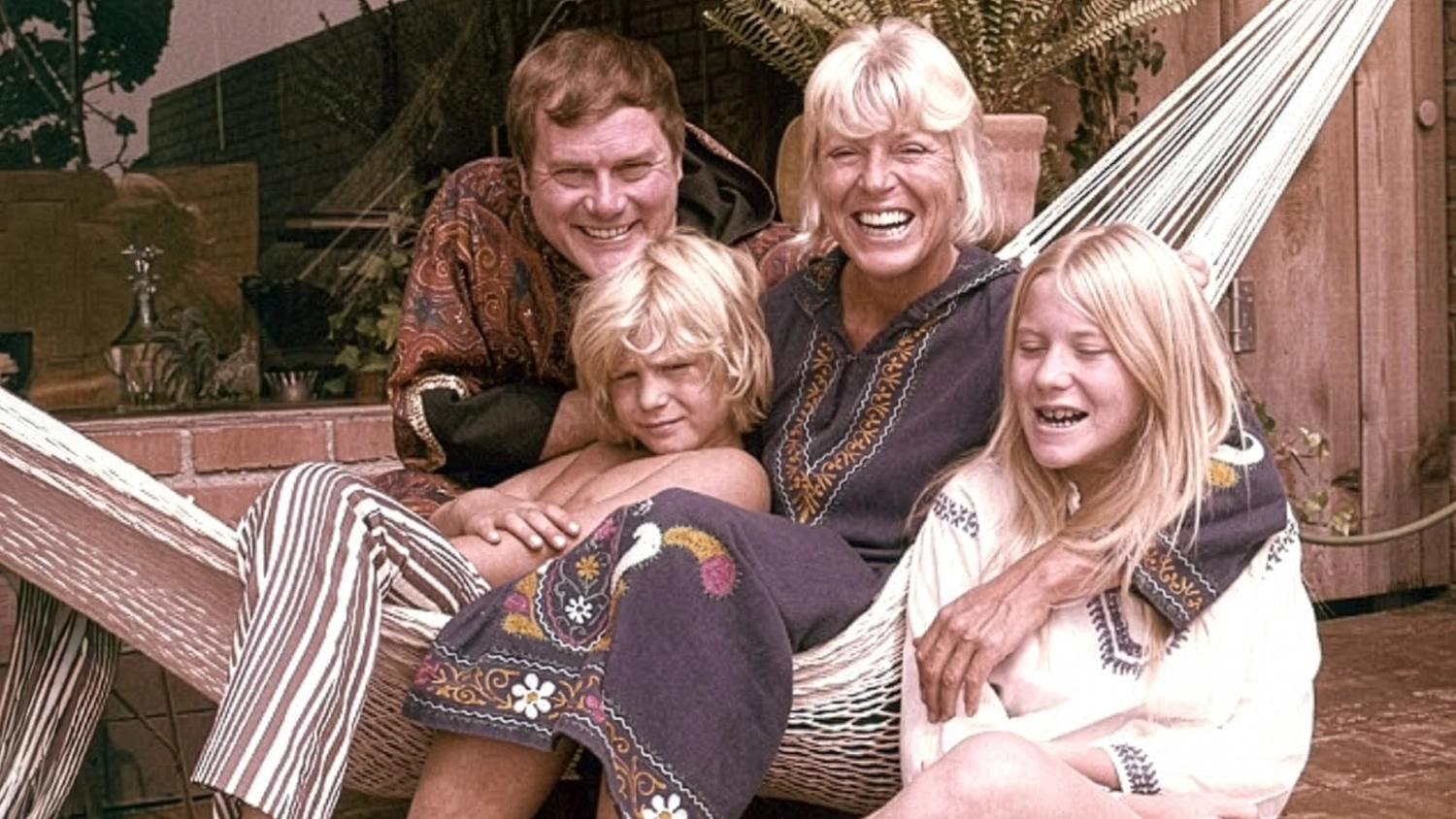
Hagman married Maj Axelsson in 1954, and their partnership became a constant through every phase of his career. In the DallasTVShow.com interview archive, he spoke about Maj as essential to his life and work — not as a footnote, but as a foundation.
Together they had two children, Heidi and Preston. While Hagman lived much of his adult life as a public figure, the family’s story is also defined by privacy: a long marriage, a stable home life, and a preference for keeping family out of the spotlight.
How Hagman played J.R.: power, humour, and never showing the effort
J.R. works because he isn’t played as a moustache-twirler. Hagman gives him self-belief, ease, and a sense that he’s always the smartest person in the room — even when he isn’t. The humour matters: it’s the sugar that makes the poison go down.
One of Hagman’s most revealing interview comments is about power: he described the idea that if you have to “use” power, you lose it. That’s basically J.R.’s playbook. He intimidates without shouting, dominates without explaining, and turns charm into leverage.
He also knew how television is built: the character became central because the performance made him central. In the interview archive, he credited Leonard Katzman for steering the show toward what was working — and implied a simple truth about long-running TV: the role grows when the actor gives writers reasons to write.
Illness & death: later life and the end of an era
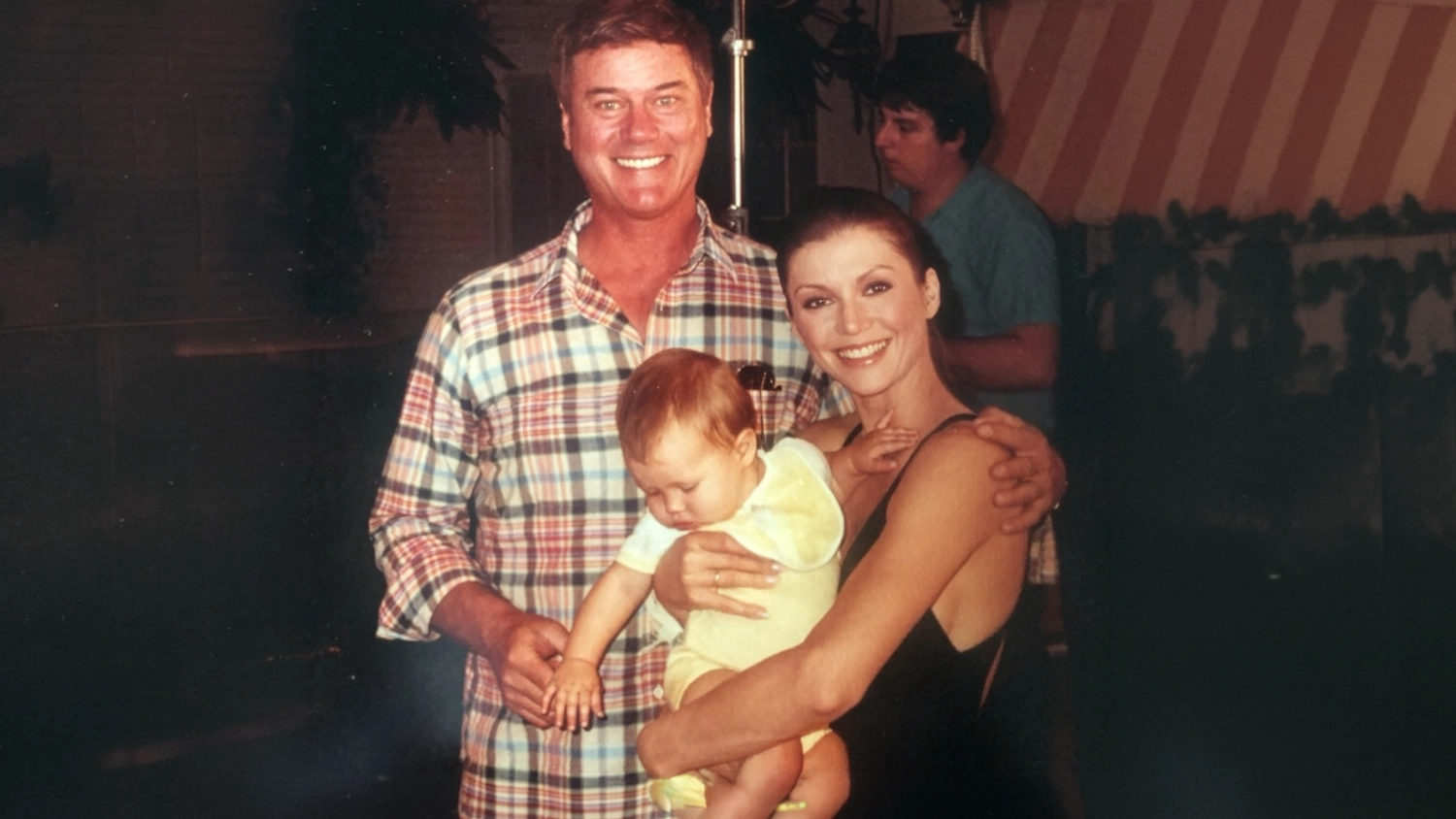
In later life Hagman faced serious health challenges, including a liver transplant in the 1990s. Even with those battles, he continued working — and when Dallas returned for the TNT continuation, he returned with it, giving the revival instant credibility.
Larry Hagman died on 23 November 2012 at the age of 81, in Dallas, Texas, from complications of acute myeloid leukemia. His death reshaped the revival series immediately, and the franchise built an on-screen goodbye that acknowledged what viewers already felt: Dallas without J.R. could never be the same.
Selected roles timeline
A curated timeline of major roles and highlights across stage, television, and film.
| Years | Title | Role | Notes |
|---|---|---|---|
| 1951 | South Pacific (London) | Stage role | Appeared in the London production alongside his mother, Mary Martin. |
| 1965–1970 | I Dream of Jeannie | Maj. Anthony Nelson | The role that made him a mainstream TV star and showcased his comic timing. |
| 1971–1972 | The Good Life | Lead role | Short-lived series that kept him front-and-centre on television between eras. |
| 1978–1991 | Dallas | J.R. Ewing | The defining role: a global phenomenon and one of TV’s most famous characters. |
| 1980–1981 | Dallas (awards) | Emmy nominations | Nominated for Outstanding Lead Actor in a Drama Series for J.R. Ewing. |
| 1996 | J.R. Returns | J.R. Ewing | Dallas TV movie continuation. |
| 1998 | War of the Ewings | J.R. Ewing | Dallas TV movie continuation. |
| 2012–2013 | Dallas (TNT continuation) | J.R. Ewing | Returned to the role, anchoring the revival for a new generation. |
Larry Hagman FAQ
Who did Larry Hagman play on Dallas?
He played J.R. Ewing, the ruthless (and often hilarious) oilman at the centre of the Ewing empire.
Was Larry Hagman in every episode of the original Dallas?
Yes. Hagman is widely credited as the only cast member to appear in all 357 episodes of the original series.
Who was Larry Hagman’s mother?
His mother was Mary Martin, a celebrated stage star best known for major Broadway roles.
Who was Larry Hagman married to?
He was married to Maj Axelsson, and they had two children, Heidi and Preston.
How did Larry Hagman die?
Larry Hagman died on 23 November 2012 from complications of acute myeloid leukemia.
Where can I read Larry Hagman interviews on this site?
The interview archive is here: Larry Hagman (Interview 1) and Larry Hagman (Interview 2).